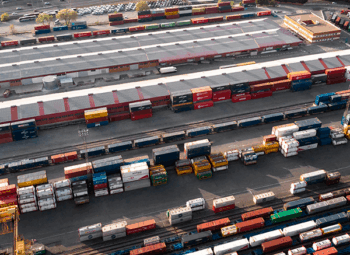
When most people think of logistics, they imagine standard supply chains involving trucks, warehouses, and shipping containers. However, military logistics is a specialized and highly demanding branch of the logistics sector, governed by strict protocols and strategic considerations.
Unlike commercial freight, military logistics often involves:
- Movement through international conflict zones
- Time-sensitive, classified, or dangerous cargo
- Compliance with NATO or defense-specific standards
- Complex coordination with government and armed forces
The transport of defense equipment, vehicles, or weapon systems must adhere to not only safety laws but also security clearance regulations. In many cases, movements must be done discretely, under armed escort, or with satellite tracking in real-time.
Moreover, military operations can change rapidly, which means logistics plans must be adaptive, redundant, and pre-approved across multiple jurisdictions. The complexity, risk level, and operational importance of military logistics set it apart from traditional cargo transport.